Transporting a car without a license plate can be tricky, but using an auto transport company is usually the easiest approach, because the car is hauled on a truck instead of being driven. You may be in this situation if you bought a car in another state, are moving a vehicle from one country to another, or are dealing with lost or stolen plates. In some of these cases you can still drive the car, but only with a temporary transit permit or registration, which keeps you clear of problems and delays.
Understanding the legal requirements and the practical side of moving a car without plates is the best way to avoid fines, penalties and complications. Below we cover your options, the rules in several states, and the most common questions about transporting a car without plates or registration.
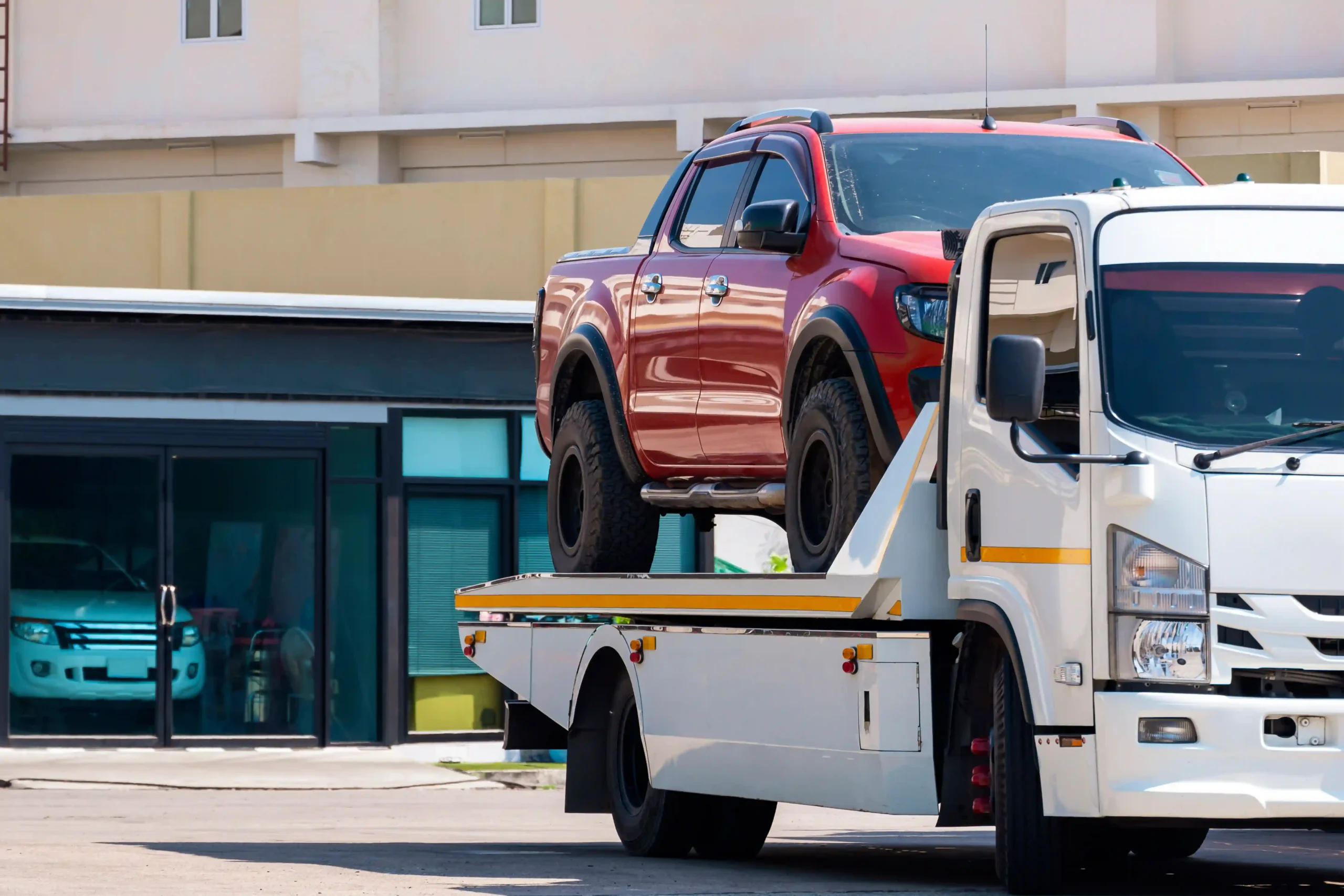
The short answer: if your car rides on a carrier truck, it isn’t being driven on public roads, so most carriers can ship it without plates or current registration. What the carrier needs is proof that the car is yours to ship, such as the title, a bill of sale or the dealer paperwork. If you plan to drive the car instead, the rules get much stricter, and that’s where temporary plates and transit permits come in.
Can I Transport a Car Without License Plates?
Yes, you can transport a vehicle without a license plate, but the rules depend on how it moves. On a carrier truck, plates aren’t needed. To drive it, you’ll usually need a temporary permit, and many states issue transit permits for exactly this purpose. The rules vary from state to state, and some examples are below.
States Specific Rules
Each U.S. state sets its own rules for moving an unplated vehicle. For instance:
California: The DMV issues a One-Trip Permit for a single continuous trip into, out of or within the state, and a free One-Day Vehicle Moving Permit for moves like repairs or storage. Temporary operating permits of 30 to 90 days cover vehicles whose registration is still being processed. For city-level rules, see our guides to car shipping regulations in San Francisco and Los Angeles.
Texas: A one-trip permit covers a single trip that starts or ends in Texas. It’s valid for 15 days, costs $5 plus a processing fee, and requires Texas minimum liability insurance. A 30-day temporary plate is also available. If you’re shipping from a major Texas city, check the car shipping regulations in Dallas and Houston.
Florida: Florida dealers issue 30-day temporary tags, and private sellers, out-of-state buyers and others can get 10 to 90-day temporary tags at a county tax collector’s office, depending on the reason. Our guide to car shipping regulations in Orlando covers what to expect locally.
New York: The DMV issues in-transit permits for moving a vehicle out of state or to another New York location for registration. They’re valid for 30 days, cost $12.50, and require proof of ownership, ID and proof of insurance. For pickup and parking rules in the city, see car shipping regulations in NYC.
New Jersey: Dealers normally issue a temporary tag at the time of sale. If you buy from a private seller, plan on registering the car at an MVC agency before you drive it.
North Carolina: NC transporter plates exist, but only licensed dealers and businesses can get them. A private buyer should register the car, or check with an NC DMV license plate agency about temporary options, before driving it.
Maine: A transit plate covers a single trip that starts or ends in Maine. It lasts up to 10 days and costs $12 one way or $25 round trip. You need insurance on the car if it’s being driven. If it’s towed, the permit is marked “for towing purposes only” and insurance isn’t required.
These rules change, so confirm with the motor vehicle agency in both the state you’re leaving and the state you’re heading to before the car moves.
Options for Shipping a Car Without Plates
If you’re wondering how to transport a car without driving it, there are three realistic routes: hire a car shipping company, tow it yourself, or get a temporary plate and drive it legally. Here’s how they compare.
Hiring a Professional Auto Transport Service
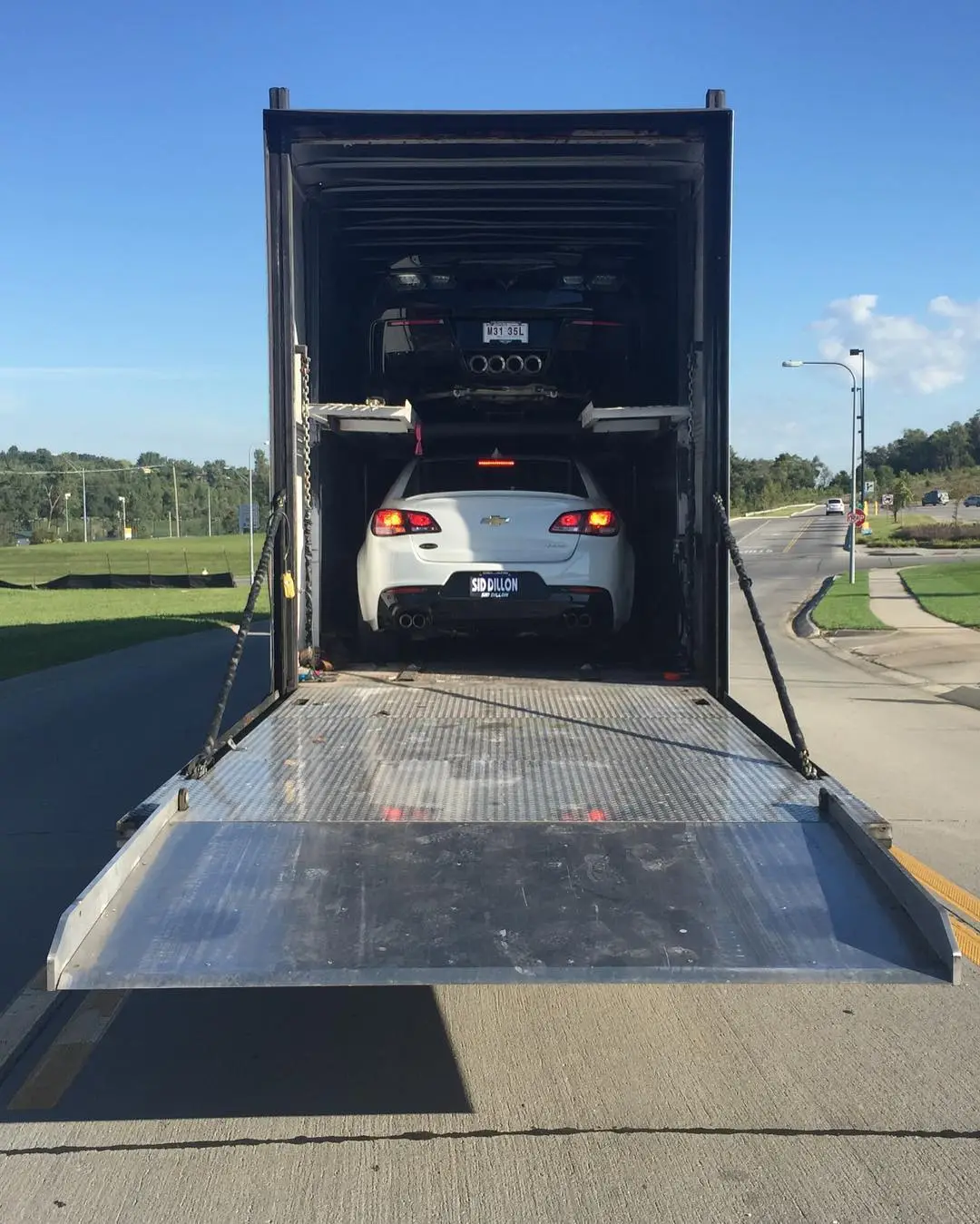
This is the simplest way to move a car without plates, because the car never runs on the road under its own power. A carrier loads it at pickup and unloads it at delivery, so plates and registration usually don’t come into play. Open car transport is the most affordable choice for everyday cars. An enclosed carrier makes more sense for classic, luxury or project cars that shouldn’t be exposed to weather and road debris. With door-to-door transport, the driver gets as close to your address as a full-size truck safely can.
2 J’s Auto Transport is a licensed transport broker (MC#799000). We don’t issue plates or permits, but we book an FMCSA-registered carrier for your route and handle the scheduling from quote to delivery. If you’re new to this, our guide on how to transport a car walks through the full process.
Using a Tow Truck or Trailer
Using a hauler or trailer is a convenient and cost-effective option that lets you manage the move yourself, but it needs attention to legal and safety rules. Before you go, make sure the trailer is registered, your auto policy covers towing, and check whether your state requires anything for the car being towed. This option works best for short moves and for damaged or non-running cars.
Driving With a Temporary License Plate
Temporary plates help when you need to drive a car you just bought, are waiting on registration, or are moving a vehicle between states. They bridge the gap between purchase and permanent registration so you can drive legally in the meantime. When you buy from a dealer, a temporary tag is usually part of the sale paperwork.
Can You Transport a Car Without Insurance?
Driving a car without insurance is illegal in nearly every state. If the car has to move under its own power, coverage needs to be in place first, even with a temporary plate.
Transporting a car without insurance on a truck is different, because the car isn’t being driven. Carriers don’t usually ask whether your personal policy is active. While the car is on the truck, the carrier is responsible for it. Every carrier has to carry the liability insurance FMCSA requires, and at 2 J’s we also check that the carrier holds cargo insurance before we book them for your shipment.
The carrier’s cargo insurance generally covers damage that happens while your car is in their care, subject to the policy’s limits and exclusions. It doesn’t cover personal items left inside the car or damage that was already there, so mark any existing scratches or dents on the inspection report at pickup.
One caution: if the car is still registered, some states penalize a lapse in coverage even when the car isn’t being driven. Check with your insurer before you cancel a policy to save money during shipping.
If the car is uninsured because it’s a non-runner, a project car or a recent purchase, shipping is usually the easiest legal way to move it. Just have a policy in place before it goes back on the road at the other end. Get a free quote.
Bought a Car Out of State Without Plates? Ship It Home Instead
If you bought a car in another state, driving it home without plates means lining up two sets of rules: the selling state’s temporary tag or transit permit, and your home state’s registration and insurance requirements. Miss either one and you risk a fine, or having the car impounded on the way.
Shipping the car avoids all of that. It rides on a carrier, so it doesn’t need a temporary plate for the trip, and you register it once it arrives. See our state-to-state car shipping pages for routes and pricing, or get a free quote.
How to Get a Temporary License Plate?
A temporary license plate is the standard way to drive a vehicle legally while you wait for permanent registration.
Most car carriers don’t need the car to have a temporary plate at all, since it’s hauled rather than driven. You only need one if you plan to drive the car yourself.
What Do You Need to Get a Temporary License Plate?
Proof of ownership, such as the bill of sale, title or dealer invoice.
A valid government-issued photo ID.
Proof of active insurance on the vehicle.
The temporary plate application form and fee (both vary by state).
Where to Apply for a Temporary License Plate?
DMV or licensing agency: Visit your state’s motor vehicle agency or equivalent office.
Online services: Some states let you apply for a temporary plate online.
Dealerships: Most dealers issue temporary plates for the vehicles they sell.
Question Related to Temporary License Plates
How long does a temporary license plate last?
A temporary plate usually lasts somewhere between 10 and 90 days, depending on the state. In some states you can renew it by submitting the application again with the updated documents and fee.
What happens if my temporary license plate expires?
Driving with an expired temporary plate can lead to fines, penalties and even having the vehicle impounded. Renewing it with the required documents before the expiration date avoids all of that.
Are Temporary License Plates the Same as Permanent Plates?
No. Temporary plates differ in:
Appearance: They’re often paper or cardboard and clearly marked as temporary.
Function: They’re meant for short-term use only.
Use: They’re valid only for a set period and sometimes only for a specific trip or purpose.
Can you register a car without a license plate?
Yes. Registration is the step that gets you plates, so most cars don’t have plates until they’re registered. You’ll usually need the title or bill of sale, proof of insurance, a photo ID, and in some states a safety or emissions inspection. Once the registration goes through, the state issues your plates, or a temporary tag until the metal plates arrive.
Can you get a license plate without a driver's license?
In many states, yes. Owning and registering a car isn’t the same as being licensed to drive it, so a state ID is often accepted. Insurers may still want a licensed driver listed on the policy, and the rules vary, so check with your state’s motor vehicle agency.
Can you ship a car that isn't registered?
Yes. Most carriers don’t need current registration to haul a car, only proof that it’s yours to ship, so keep the title or bill of sale handy. International shipping is the exception: exporting a car through a U.S. port requires the original title or a certified copy, submitted to U.S. Customs at least 72 hours before export.
What happens if you drive a car without license plates?
You can be pulled over and fined, and in some states the car can be towed and impounded. A dealer-issued temporary tag or a state transit permit is what makes the drive legal. A handwritten “in transit” sign isn’t a substitute for a state-issued permit.
Tips For Moving a Car Without Plates
Moving a car without plates takes careful planning if you want to avoid fines and penalties. Here are some tips to keep it trouble free.
Valid Insurance
Keep active insurance on the vehicle if it will be driven, even if it isn’t registered or plated yet. Some states require proof of insurance before they’ll issue a transit permit.
Use Shipping Permits
Get a temporary transit permit or tag from your local DMV before driving the vehicle. Make sure it covers your full route and dates to avoid delays.
Know Local/State Regulations
Check the rules in the state where the trip starts and the state where it ends, because requirements for moving a car without plates vary. Car transport laws also treat driving and hauling differently: transit permits and temporary plates matter when the car is driven, while a car on a carrier truck mainly needs ownership paperwork.
Consider Hiring a Professional
Hiring a professional auto transport company usually takes the permits and plates out of the equation, since your car is hauled instead of driven.
With these tips, you can move a car without permanent plates safely and without stress.
This article is general information, not legal advice. Plate, permit and insurance rules change and vary by state, so confirm the current rules with your state’s motor vehicle agency.
Why Book Your Car Shipment With 2 J's Auto Transport
If you’d rather not deal with permits and temporary plates at all, let us arrange the shipment for you. John, Joyce and our small family team book a vetted, FMCSA-registered carrier for your route and stay your point of contact until the car is delivered. Fill out the form for a free quote, with no obligation to book.
John Furbush
I am the Owner and President of Operations at 2 J’s Auto Transport, with over 12 years of hands-on experience in the vehicle shipping industry. Since starting the company in 2012, I helped thousands of customers move everything from everyday cars to motorcycles, heavy equipment, and oversized loads. I know the ins and outs of auto transport industry, including all the laws and regulations set by USDOT, FMCSA, and local authorities. I built my business around honesty, reliability, and making the process simple for people, especially those shipping a vehicle for the first time.